Corporate Bylaws: What They Are, What to Include, and How to Create Them
Corporate bylaws are the internal rules a corporation uses to manage its operations. They explain how the corporation makes decisions and define the roles of shareholders, directors, and officers.
Bylaws can cover meetings, voting, stock, management, financial records, amendments, and other internal procedures. They are generally kept with the corporation’s records rather than filed with the state. State requirements can differ.
What Are Bylaws?
If you are asking what are bylaws, they are written rules that explain how an organization operates internally.
For a corporation, bylaws can establish who has authority to make decisions, how directors and officers are selected, how meetings are conducted, and how shareholders vote.
Bylaws can also provide procedures for changing the corporation’s internal rules and handling important events. They are different from Articles of Incorporation. The Articles create the corporation through a state filing, while bylaws generally provide the internal framework for running it.

Why Do Corporations Need Bylaws?
Bylaws give the corporation a written set of procedures to follow.
Without clear internal rules, questions can arise about who can make decisions, when meetings should happen, how votes are counted, or how officers are appointed.
Well-organized bylaws can help a corporation:
Well-organized bylaws can help a corporation:
- Define management responsibilities
- Establish shareholder voting procedures
- Set rules for board meetings
- Explain officer duties
- Address stock and ownership matters
- Establish financial procedures
- Set amendment procedures
- Create rules for maintaining corporate records
The specific provisions should match the corporation's structure and applicable state law.

Bylaws vs Articles of Incorporation
Understanding bylaws vs articles of incorporation is important because these documents serve different purposes.
Articles of Incorporation are formation documents submitted to the state to create a corporation. They establish the legal entity and contain information required under the applicable state corporation law.
Bylaws are internal rules that explain how the corporation operates after formation.
Think of the Articles as the corporation's formation record and the bylaws as its internal operating rules.
The two documents should work together. Bylaws should not conflict with the corporation's Articles of Incorporation or applicable law.
What Should Corporate Bylaws?The contents of bylaws can vary by corporation. However, many bylaws address several common areas.
ORGANIZE YOUR CORPORATE RECORDS
Are Corporate Bylaws Filed With the State?
In many states, corporations do not file their bylaws with the Secretary of State.
Instead, the corporation keeps its bylaws with its internal business records. Northwest's general corporate bylaws guidance also distinguishes bylaws from Articles of Incorporation, which are filed with the state.
However, state laws can differ. Some states may impose specific requirements concerning corporate bylaws.
Check the rules that apply to your corporation before finalizing your document.
Bylaws Template
A bylaws template can give you a starting point for creating your corporation's internal rules.
A basic template may include sections for:
A basic template may include sections for:
- Corporate offices
- Shareholders
- Board of directors
- Officers
- Meetings
- Voting
- Stock
- Financial records
- Amendments
- Corporate records
- Dissolution
A template can save time, but a general document may not fit every corporation.
Your bylaws should reflect your company's ownership structure, management, stock arrangements, and applicable state requirements.
Get Started With Your Business Documents
Corporate Bylaws Template Free
A corporate bylaws template free resource can help new business owners understand the basic structure of corporate bylaws.
Free templates can be useful for straightforward corporations. However, you should review the document carefully before adopting it.
Pay attention to:
Free templates can be useful for straightforward corporations. However, you should review the document carefully before adopting it.
Pay attention to:
- Your corporation's legal name
- State of incorporation
- Shareholder structure
- Board structure
- Officer positions
- Meeting procedures
- Voting rules
- Stock provisions
- Amendments procedures
- State-specific requirements
If your corporation has multiple shareholders, investors, complex stock arrangements, or other unusual provisions, consider consulting a qualified attorney.
Can Corporate Bylaws Be Changed?
Yes. Corporations can generally amend their bylaws according to the procedures established by their governing documents and applicable state law.
For example, a corporation may need to update its bylaws when:
- Ownership changes
- Management structure changes
- New procedures are adopted
- Board responsibilities change
- Meeting rules need to be updated
- Corporate operations change
Record each approved amendment and keep the current version with the corporation's records.
Who Adopts Corporate Bylaws?
The process for adopting bylaws depends on the applicable state law and the corporation's formation documents.
Typically, the corporation's incorporators or initial board establish the initial governance structure, and the bylaws are formally adopted as part of the corporation's organizational process.
Keep the adopted version with the corporation's records.
A corporation should also keep track of later amendments so its records reflect the current bylaws.
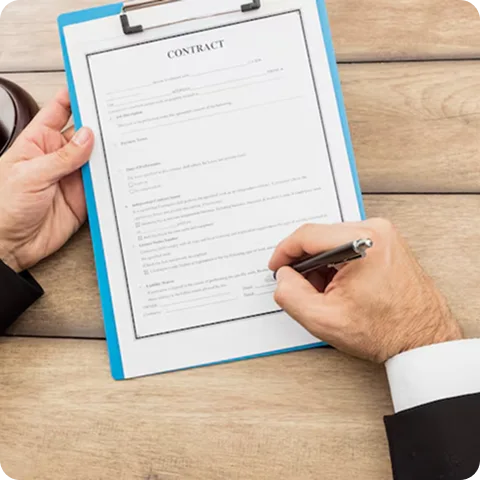
Do Bylaws Need to Be Signed?
Signature requirements vary.
Even when a specific signature is not required by law, keeping a properly approved and dated copy can create a clear record of when the corporation adopted its bylaws.
The corporation should keep the current version with its other important records.
For organizations applying for federal tax-exempt status, the IRS may request a current copy of adopted bylaws when applicable.
Corporate Bylaws vs Operating Agreement
Corporate bylaws are used by corporations. An LLC generally uses an operating agreement to establish internal rules between its owners and managers. Both documents serve as internal governance documents, but they apply to different business structures.
Choosing the correct document depends on whether your business is organized as a corporation, LLC, or another entity type.

Keep Your Corporate Documents Updated
Bylaws are only one part of maintaining organized corporate records.
Your corporation may also need to maintain Articles of Incorporation, amendments, shareholder records, meeting minutes, resolutions, licenses, annual reports, and other business documents.
Review your corporate records when important changes occur and keep current versions of your internal documents.
RegisterMyBizNow provides business formation, registration, compliance, and filing services to help business owners manage important business requirements.
Why We Use Email & Text
We are very busy helping clients register their businesses. To give your files our full attention and complete your work fast, we do not take phone calls. Operating entirely by email or text allows us to focus on your needs without interruptions.
We review all messages quickly and will reply within 48 hours or less.
Frequently Asked Questions
Everything you need to know about setting up your limited liability company.
What are bylaws?
Bylaws are internal rules that explain how a corporation is managed and operated. They can cover meetings, voting, directors, officers, stock, financial records, amendments, and other corporate procedures.
Are corporate bylaws required?
Requirements vary by state and corporation type. Some states require corporations to have bylaws, while others provide different rules. Check the law that applies to your corporation.
Are corporate bylaws filed with the state?
Generally, bylaws are internal corporate records and are not filed with the state like Articles of Incorporation. State requirements can vary.
What is the difference between bylaws and Articles of Incorporation?
Articles of Incorporation are formation documents filed with the state to establish a corporation. Bylaws are internal rules used to govern the corporation.
Can I use a bylaws template?
Yes. A template can provide a useful starting point. You should make sure the final bylaws match your corporation’s structure and applicable state requirements.
Is a corporate bylaws template free?
Free templates are available and can help you understand the typical structure of corporate bylaws. A free template may not address every situation or state-specific requirement.
Who approves corporate bylaws?
The people with authority to adopt bylaws can vary based on state law, the Articles of Incorporation, and the corporation’s organizational documents.
Can I change corporate bylaws later?
Yes. Bylaws can generally be amended according to the procedures established in the bylaws, formation documents, and applicable law.
Do bylaws need to be notarized?
Not generally. Notarization requirements depend on the specific document and circumstances. A corporation should follow the applicable state rules and its own governance procedures.
Should I keep a copy of my corporate bylaws?
Yes. The corporation should maintain its current bylaws with its important internal business records, along with any approved amendments.